
Custom Steel Locker Orders: Mixed Container Guide
Almost every guide to buying steel lockers assumes you are ordering one model, in one colour, to fill one container. Quote sheets are built around it, loading tables are built around it, and the maths looks clean.
Real custom steel locker orders do not work that way. A typical project order fills one container with several models at once — 200 six-door lockers, 300 two-tier units, 100 two-door wardrobes and 80 four-drawer filing cabinets, in two colours and three lock types. That mix is the normal shape of a project order, not an exception.
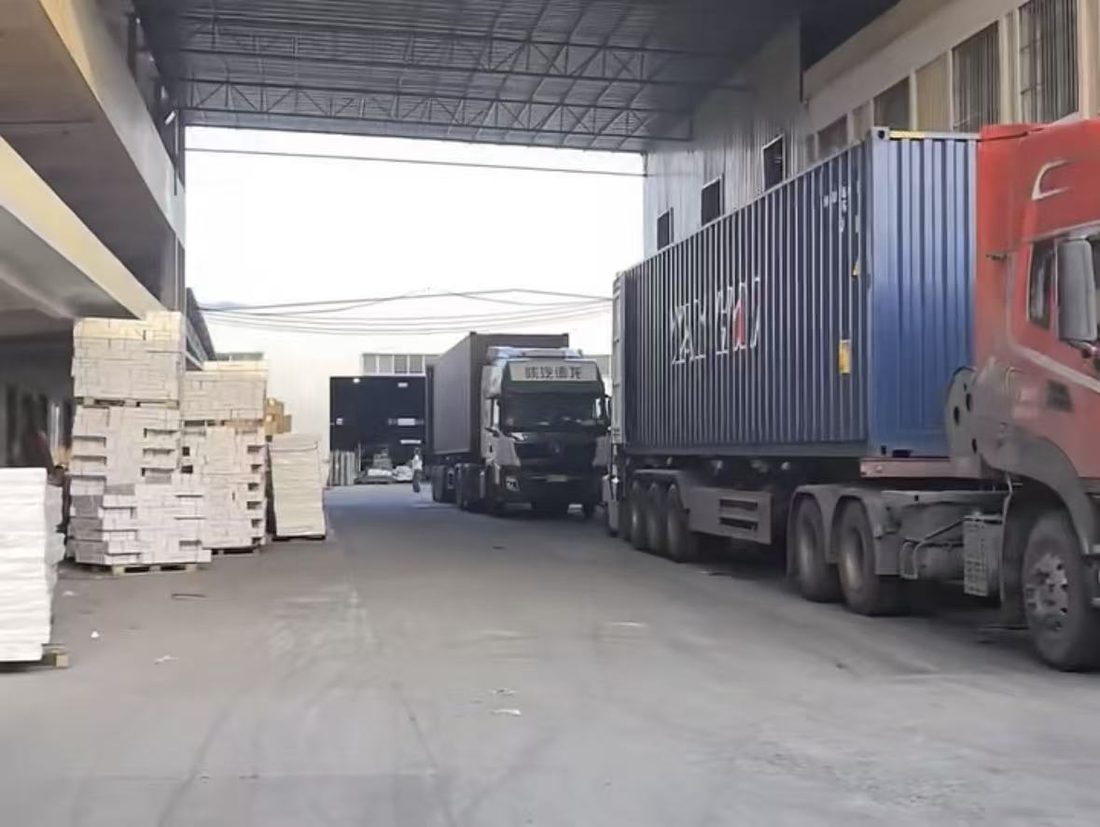
This guide covers what actually changes when an order is customised, how to check whether your mix fits a 40HQ container before you commit, whether knock-down (KD) flat pack or welded construction suits your project, and the two constraints that quietly decide your minimum order quantity (MOQ): colour and keying.
Why a custom steel locker order is usually a mix
A buyer rarely needs 590 of one locker. A school needs 180 lockers for students, 24 for staff, 12 wardrobes for the dormitory and a handful of filing cabinets for the admin office. A contractor fitting out a labour camp needs two-tier lockers for the changing room, single-door units for supervisors and wardrobes for the accommodation block.
If you ask for a loading quantity on each of those models and add them up, you will usually find the sum exceeds 100%. That is not a mistake in the numbers. It is what happens when each model is quoted as if it had the container to itself.
So the first thing to accept: the per-model loading quantity is a reference figure for a full container of that model only. It is not a unit of planning for a mixed order.
What you can actually change on a custom order
"Custom" is used loosely in this industry. It helps to separate the changes that are routine from the ones that carry real cost.
| Change | Effect on production | New tooling? | Effect on lead time and MOQ |
|---|---|---|---|
| Height or depth within the existing fold range | Fold settings adjusted on the same line | No | Minor. Runs alongside standard production |
| Door count or compartment layout within the same body width | Different punching program, same body | No | Minor, but each variant needs its own carton |
| Additional shelf, rail, hook, divider | Added at assembly | No | Minor |
| Lock type: keyed cam lock, padlock hasp, combination | Different cut-out and hardware | No | Minor, unless the lock is a special order item |
| Packing: knock-down (KD) flat pack or fully welded | Same cabinet, different carton and pallet plan | No | Yes — a welded order cuts container capacity sharply |
| Colour to a RAL reference | Powder change, gun clean-down, separate bake batch | No | Yes — see the colour section below |
| Width outside the existing range | New folding tools and a new body | Yes | Significant. Quoted case by case |
| Curved or angled front, non-standard vent pattern | New die | Yes | Significant |
The common assumption is that any size change means a new mould. For a steel locker that is usually wrong. The body is folded from flat sheet on a press brake or a roll former, so a change in height or depth is a change in where the machine stops and bends — not a new die. Width beyond the range the tooling was set up for is where the real cost starts.
This is also why a factory can quote a custom height more cheaply than a buyer expects, and a custom width more expensively. If a supplier quotes the same premium for both, ask what the premium is actually paying for.
One row in that table is worth a separate question: packing. Ask which of the two your supplier actually runs for export — knock-down or fully welded — because it changes the loading quantity by a factor of several, as the packing section below explains.
How to work out what fits in one 40HQ container
There are two methods, and on this order they disagree by four percentage points. Knowing which one to trust matters.
Method 1: the ratio method (fast, approximate)
Take the quantity of each model, divide it by that model's full-container loading quantity, and add the results. If the total is at or under 100%, the mix fits. The four models below can each be ordered in a custom height, depth and colour — the reference specifications are on the six-door locker, two-tier locker, two-door wardrobe and four-drawer filing cabinet pages.
| Model | Quantity | Full 40HQ load | Share of container |
|---|---|---|---|
| HKM-SL6 six-door | 200 | 590 | 33.9% |
| HKM-TML2 two-tier | 300 | 1,100 | 27.3% |
| HKM-SW2D two-door wardrobe | 100 | 386 | 25.9% |
| HKM-FC4D four-drawer cabinet | 80 | 630 | 12.7% |
| Total | 680 units | — | 99.8% |
Fast, and good enough for a first conversation. But it is an estimate, and not because the arithmetic is hard — it is because each published figure assumes the container holds that model and nothing else. The note after the next table shows where that assumption breaks.
Method 2: the CBM method (slow, accurate)
Multiply each quantity by that model's carton volume in cubic metres, add the results, and compare against the usable volume of the container — around 68 m³ for a 40HQ in practice, not the 76 m³ of the bare interior.
| Model | Quantity | Carton CBM | Total volume |
|---|---|---|---|
| HKM-SL6 | 200 | 0.1151 | 23.02 m³ |
| HKM-TML2 | 300 | 0.0618 | 18.54 m³ |
| HKM-SW2D | 100 | 0.1758 | 17.58 m³ |
| HKM-FC4D | 80 | 0.0751 | 6.01 m³ |
| Total | 680 units | — | 65.15 m³ = 95.8% |
Same order, 99.8% by ratio and 95.8% by volume. That gap is not rounding, and it is worth understanding before you trust either figure.
Three of the four models are published at about 68 m³ per 40HQ: 590 × 0.1151, 1,100 × 0.0618 and 386 × 0.1758 come to 67.9, 68.0 and 67.9 m³. The four-drawer cabinet is the exception — 630 × 0.0751 is 47.3 m³, about 30% short of a full container.
The consistency of that exception is the clue. Our vertical filing cabinets come in three heights — 720 mm, 1,020 mm and 1,320 mm, all 460 mm wide and 620 mm deep — and they are published at 48.8, 47.8 and 47.3 m³ per 40HQ. Three different cabinets, one ceiling, and the figure falls as the cabinet gets taller. That is not rounding; it looks like a binding limit.
There are two possibilities. Either those cabinets reach the container's weight limit before they run out of space, or the published figure is deliberately conservative. Ask which, and ask for the gross weight per carton — the answer decides whether you can use the remaining space at all.
What it means for planning: a figure that is 30% conservative makes the ratio method overstate that model's share of the container. Here it turned a 95.8% load into 99.8%, so you would have declared the container full with 2.85 m³ still empty.
Practical rule: use the ratio method to sketch a mix, and the CBM method to confirm it. The confirmed figure leaves room for about 45 more two-tier lockers (2.85 m³ ÷ 0.0618) or a pallet of spare shelves, while the ratio method said the container was already full.
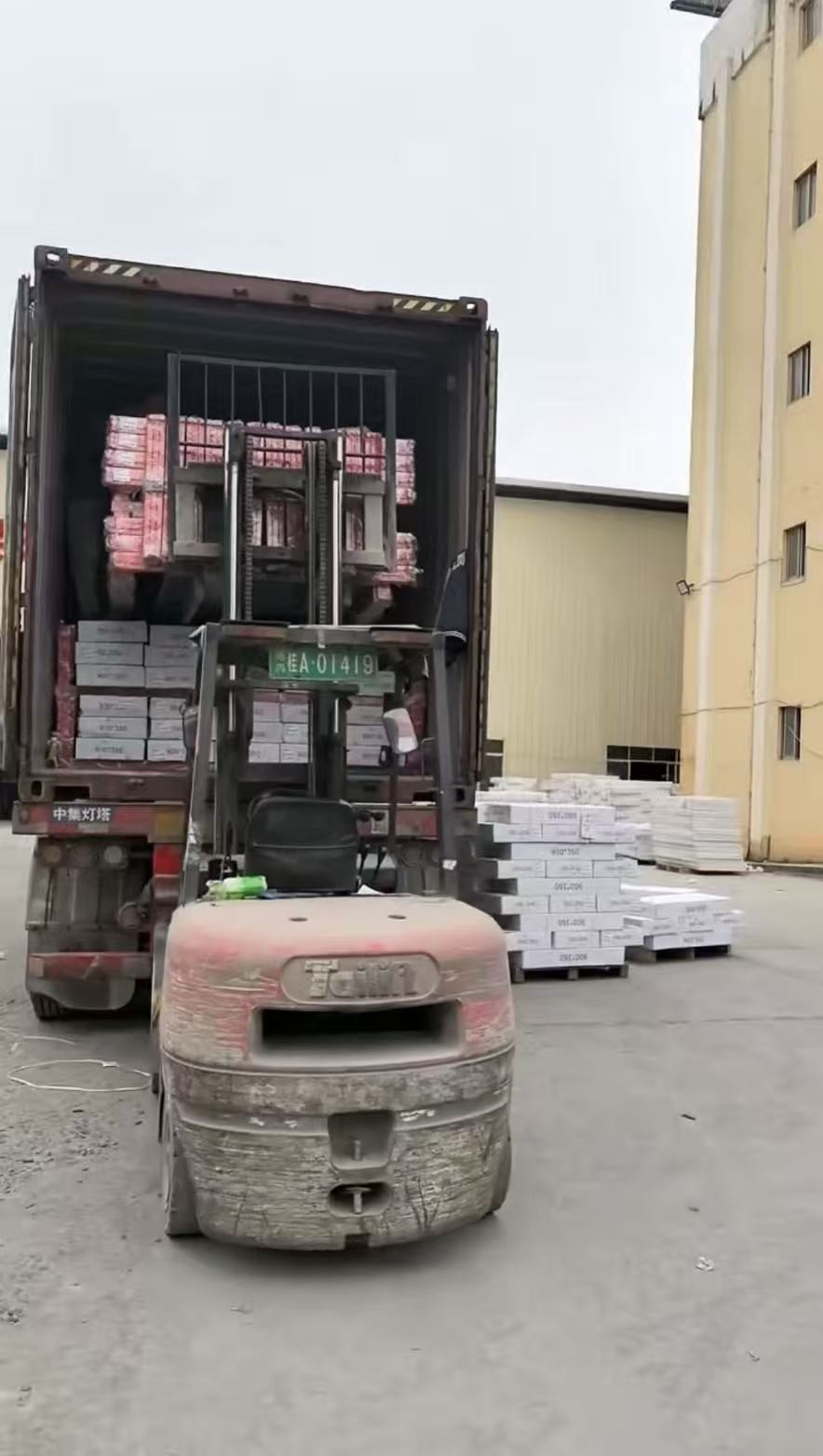
Ask for the carton CBM per model with any quotation. It turns the calculation above into something you can redo yourself, and it is the number that decides whether your shipping date holds.
Colour is the real driver of your MOQ
Buyers usually assume quantity drives the minimum order. In a powder-coated steel product, it is often colour. A factory may quote a low unit minimum, but a colour change still means a separate batch — so colour, not quantity, usually decides how small an order can practically go.
A colour change means emptying the hopper, cleaning the gun and lines, and running a separate bake. That is why a single-colour order of 200 units is usually cheaper and faster than four colours of 50 units each, even though the total quantity is the same.
Three practical consequences:
- Count colours before you count units. A 40HQ carrying four models in one colour is a simpler order than the same container in four colours.
- Custom RAL is not the problem — the number of colours is. One special RAL across the whole order is routine. Six RALs across 680 units is not.
- Two-tone bodies cost more than they look. A different colour on the doors means two coating passes for one cabinet.
If the project needs colour-coding by department or floor, group it: one colour per container rather than one colour per model.
Locks and keying: settle this before the deposit
Lock hardware is a small line on the quotation and a large source of problems after delivery, because keying cannot be changed once the cylinders are pinned.
Three decisions to make in writing, before production:
- Keyed different — every locker has its own key. Standard for staff and student lockers where each user holds their own.
- Keyed alike — a group of lockers shares one key. Used where a supervisor or a team leader opens a bank of lockers.
- Master key — individual keys plus one key that opens everything. The usual choice for facilities and school management.
Two details buyers forget. First, a master key system needs the key plan agreed before the cylinders are ordered, not after. Second, if the order mixes keyed-alike banks with master-keyed units, the two systems have to be planned together or the master key will not open everything at handover.
Combination, digital and padlock-ready options exist alongside these, and the choice usually follows from how the lockers are managed rather than from security alone. Padlock-ready suits sites where staff bring their own locks; combination suits shared or rotating use; digital suits managed facilities that want an access log.
Knock-down or welded: the choice that decides your container
The same locker can leave the factory in two very different forms, and the difference has nothing to do with quality.
A welded locker is assembled and permanently joined at the factory. It arrives ready to use, and it also arrives mostly empty space — the body, the shelves and the air inside it all take up container volume.
A knock-down (KD) flat pack locker ships as separate panels and hardware in a flat carton. The cabinet is assembled on site with bolts, rivets or interlocking tabs.
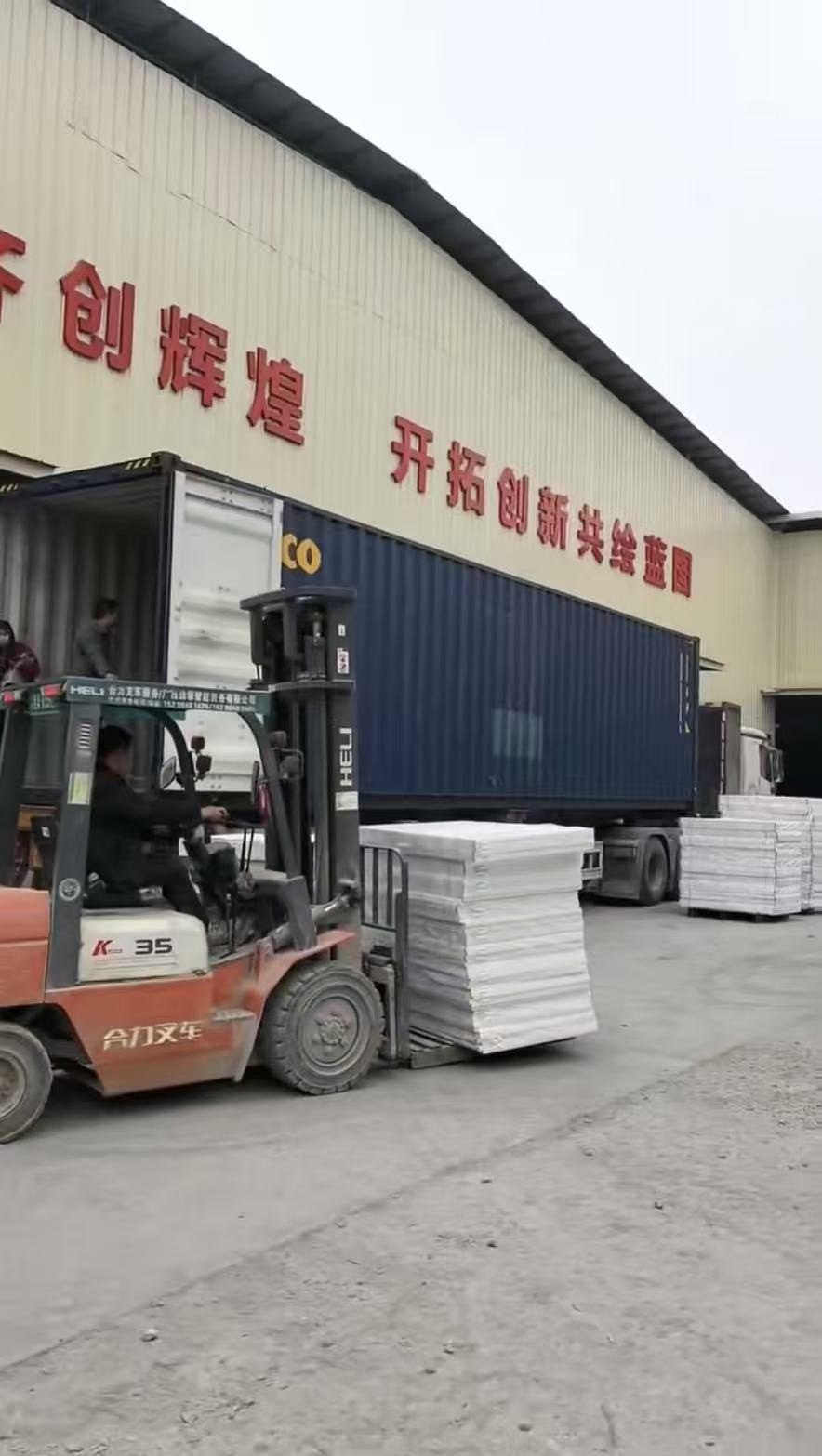
The volume difference is not marginal. A welded locker occupies several times the carton volume of the same model in KD form, so a welded order fits a fraction of the units that the published loading quantity for that model suggests. If a quotation gives you a loading quantity without saying which packing it refers to, that number means nothing yet.
When welded makes sense: the destination has no assembly labour, the project schedule leaves no room for site work, or the order is small enough that the freight difference is trivial next to the installation cost.
When KD makes sense: the sea leg is long, the order is large, and there is someone at the destination — a contractor, a distributor, a maintenance team — who can assemble. For export volumes this is the normal choice, and it is why so much of what leaves Chinese steel furniture factories is flat-packed.
Assembly itself is not the obstacle it is often assumed to be. Two people with a battery drill typically build one unit in 10–30 minutes depending on door count and internal fittings — a 680-unit order is a few weeks of work for a small team, not a construction project.
Two questions worth asking whoever you buy from:
- What fasteners does the KD design use — bolts, rivets or interlocking tabs? Tab-and-rivet designs assemble faster than nut-and-bolt, and the difference over hundreds of units is real labour.
- Is the structural rigidity tested after assembly, or only at the panel level? A KD cabinet is as rigid as its joints. Ask for the assembly instructions before you commit, not after the container arrives.
Options that change the carton, not just the look
Specifications that read like appearance choices often turn out to be packing and batch decisions. These are the ones that come up most often in current tenders:
- Vented or perforated doors. A perforated door pattern needs its own punching program, and the doors no longer stack as tightly in the carton. Useful in changing rooms and humid climates where damp kit has to dry, but it is a production change, not a cosmetic one.
- Antimicrobial powder coating. Increasingly requested for healthcare, school and fitness projects. Treat it like any other coating: it is a separate powder batch, so it follows the same colour logic as the MOQ section above — one batch across the order, not one per model.
- Electronic or RFID locks. These sit outside the standard keyed, combination and padlock range and are quoted per project. They add a hardware line per door and change how the doors have to be packed to protect the reader and wiring.
- Extra shelves, dividers, rails and hooks. Small in cost, but each one adds weight per carton and can push a container over its weight limit before it runs out of volume.
None of these are reasons to avoid a specification. They are reasons to put them on the variant list at enquiry stage, so the carton CBM in your quotation reflects what you actually asked for. Confirm availability and the carton effect with whoever you buy from — including us.
The timeline, and what we need from you at each step
A custom order is slower than a catalogue order, and most of the delay comes from information, not from production.
| Stage | What happens | What we need from you |
|---|---|---|
| 1. Enquiry | Model selection, carton CBM, first loading plan | Quantities, model interest, destination port |
| 2. Drawing | Dimension drawing and internal layout | Room or wall dimensions, items to be stored, door clearance |
| 3. Specification freeze | Colour, lock, keying, shelves, packing | RAL references, keying plan, packing requirements |
| 4. Sample (if required) | Pre-production unit built to the agreed spec | Approval in writing, with photos of what was accepted |
| 5. Production | Runs alongside standard lines for simple changes | Deposit, and confirmation that nothing has changed |
| 6. Inspection | Pre-shipment check against the approved spec | Any third-party inspector you want to appoint |
| 7. Loading | Container plan confirmed against actual cartons | Shipping instructions, booking, documents |
The stage that causes most rework is 3. A colour reference given verbally, a keying plan decided after the cylinders are ordered, or a shelf position changed after punching has started all cost more time than they save.
Six things to settle before you pay the deposit
- Colour count, not just colour. One RAL for the whole order, or four?
- Keying plan, in writing, including who holds the master key.
- Carton CBM per model, so you can verify the loading plan yourself.
- Packing method — knock-down (KD) or welded. The loading quantity is meaningless without it.
- The variant list, itemised. Six models with three colour splits is eighteen cartons to track, not six.
- What "the same as last time" means, in millimetres and RAL codes. Repeat orders drift when nobody wrote it down.
Questions buyers ask about custom and mixed orders
Q1: Can I mix several locker models in one container? A: Yes — that is how most custom steel locker orders are built. The constraint is volume, not the number of models; 680 units across four models is a normal loading plan. What adds complexity is the number of colour and keying variants, not the number of models.
Q2: How do I check whether my order fits a 40HQ? A: Multiply each quantity by that model's carton CBM and add the results. A 40HQ takes about 68 m³ of cartons in practice. For a quick estimate, divide each quantity by the model's full-container loading figure and add the percentages — but treat that as an estimate only. Published figures are not all calculated on the same usable volume, so the ratio method can overstate how full the container is by several percentage points.
Q3: Does a custom size require new tooling? A: Usually not. Height and depth changes within the existing fold range are adjustments to the folding line. A width outside the existing range, or a new front profile, does need new tooling and is quoted case by case.
Q4: What decides the minimum order quantity? A: Quantity, but more often the number of variants. Colour changes and separate cartons per variant drive cost up faster than total volume drives it down.
Q5: How long does a custom order take? A: Standard configurations typically run 15–25 working days after deposit and artwork approval; custom sizes and colours run 30–40 working days. Mixed orders are scheduled by the slowest variant, so the variant list matters as much as the total quantity.
Q6: Can the keying be changed after delivery? A: The cylinders can be replaced, but a master key system cannot be created retrospectively without replacing them. Agree the keying plan before production.
Q7: Can I add a model to the order after production starts? A: Only if the container has the volume left and the added model uses an existing colour and lock. Anything that needs a new powder batch or a new cylinder set will move the shipping date.
Q8: Do you provide the loading plan for a mixed order? A: Yes — ask for it at quotation stage. The plan should show the carton CBM per model and how the container is filled, so you can check it against your own calculation before confirming.
Q9: Is a knock-down (KD) locker as strong as a welded one? A: A well-made KD cabinet, correctly assembled, is structurally comparable to a welded one. Rigidity depends on the fasteners and the assembly, so ask what the design uses — bolts, rivets or interlocking tabs — and ask for the assembly instructions before ordering. The trade-off is freight, not strength: welded units take several times the carton volume.
Q10: What steel thickness should I specify? A: Specify bare steel thickness, not finished thickness. Write "0.6 mm cold-rolled steel before powder coating" in the purchase agreement, because a coated 0.6 mm panel can start from a noticeably thinner sheet. For offices, schools and general storage, 0.6 mm is the usual body gauge; for industrial sites and high-impact use, 0.8 mm or heavier doors.
Q11: Can I specify vented doors, antimicrobial coating or electronic locks? A: Some projects specify them, and each one changes the carton or the batch rather than just the look. Put it on the variant list at enquiry stage and ask for written confirmation on availability and on the carton effect — that way the CBM and the loading plan in your quotation reflect the actual specification instead of the standard version.
Send the variant list, not just the total quantity
The fastest way to get an accurate quotation on a custom order is to send the list of variants: model, quantity, colour, lock and any internal change, with your destination port. That is enough to build a loading plan and a realistic shipping date.
GXHKM has manufactured steel furniture in Nanning, Guangxi since 2011, with a 60,000 m² factory, a monthly capacity of 55,000 units and exports to 98 countries, ISO 9001 certified. Our range covers steel lockers, steel wardrobes and filing cabinets, all available with custom sizes, colours and lock configurations, shipped knock-down (KD) flat-packed for export.
Send your variant list and we will come back with a loading plan, including the carton CBM per model so you can check the maths yourself.
About GXHKM
This guide was written by the GXHKM export team. GXHKM Steel Furniture (Guangxi Huankemei Technology Co., Ltd.) has manufactured steel furniture since 2011 at a 60,000 m² factory in Nanning, Guangxi, China, with a monthly capacity of 55,000 units and exports to 98 countries. ISO 9001 certified.
Learn more about our factory | Published: 10 November 2026 | Last updated: 10 November 2026